Youth Birder Program
Equipping young naturalists to confidently identify, understand, and enjoy the birds of our region.
Youth Birder Program
Birdwatching is one of the fastest-growing outdoor activities in America, and for good reason. Students who learn to observe birds gain sharper attention, deeper curiosity, stronger scientific thinking, and a healthier relationship with God’s creation.
The Youth Birding Program for middle school and high school age students (ages 11-18) taps into that momentum. This four-month, hands-on course immerses students in the world of ornithology: identifying birds by sight and sound, interpreting behavior, understanding anatomy and ecology, and documenting observations like real field naturalists. Students will learn to use professional tools, such as binoculars, field guides, and data logs, and gain confidence in scientific observation and field documentation.
By the end of the program, students will be able to confidently identify dozens of local bird species by both sight and sound. Moreover, they will leave with the tools, confidence, and framework needed to continue building their Life List, participating in events like local bird counts, and exploring new regions with competence. This is a program that no aspiring birder should miss.
When and Where?
The Birder program is offered in both Fall and Spring sessions, allowing students to experience two of the most exciting birding seasons of the year. The Fall 2026 session focuses on fall migration and meets on six Wednesday mornings from late August through early October.
Classes take place at a variety of local outdoor sites throughout the greater Coeur d’Alene area. Each location is carefully selected for accessibility, safety, habitat diversity, and opportunities for hands-on learning. Meeting sites are announced upon registration, and families are encouraged to revisit their favorite locations outside of class to continue developing their birding skills.
In addition to the field sessions, enrolled students receive access to occasional live online workshops at no additional cost. These webinars explore specialized topics such as using eBird effectively, building and organizing a Life List, understanding banding codes, interpreting bird language, and other skills that support field mastery. Sessions can be attended from any computer and are designed to reinforce learning between outdoor classes.
Fall 2026 Schedule (6 Sessions)
Meeting Time: Wednesdays, 8:15 AM–12:15 PM
August 26 (Opening Session)
September 2
September 9
September 23
September 30
October 7
Required Gear
One of the great strengths of birdwatching is its simplicity. Unlike many outdoor pursuits, it requires very little equipment to begin. With a quality pair of binoculars and a reliable field guide, a student is fully equipped to engage the world of birds.
The most important piece of gear is a good set of binoculars. Because optical quality makes a significant difference in a student’s experience—especially when identifying subtle field marks at distance—Cedarwood Outdoor School has invested in durable, high-quality binoculars specifically selected for birdwatching. These are available to rent for $10 per day, allowing families to participate without the upfront expense of purchasing their own pair.
Students are welcome to bring their own binoculars; however, not all models are equally suited for bird study. Many general-use or older binoculars lack the magnification, brightness, or field of view necessary for effective identification. If you are unsure whether your binoculars are appropriate for the program, we are happy to help. Please contact us prior to your class day, and we will gladly advise you.
The following materials will be used throughout the program and should be brought to each class session:
Quality Binoculars (purchased or rented)
Sibley Bird Field Guide (included in tuition)
Field Notebook (included in tuition)
Cost:
The cost of this program is $495 per student for the 6 fall sessions and any live webinars. Payment is due in full at the time of registration.
Early Bird Discount: Register on or before July 31, 2026, and receive $30 off tuition, reducing the cost to $465 per student. Enter coupon code CHICKADEE2026 at checkout to receive the discount.
Included in the cost of enrollment are an introductory birdwatching guide, a copy of the Sibley Field Guide to Birds of Western North America, and a durable field notebook. These resources will serve as essential tools throughout the course and will continue to support students in their birdwatching endeavors long after the program has concluded.
IHLA Funding: Cedarwood Outdoor School is an approved Idaho Home Learning Academy (IHLA) vendor. Families enrolled with IHLA may be able to use their available educational funds toward program tuition. Please contact us before registering if you would like to use IHLA funding.
Enrollment is limited to 10 students to ensure a high-quality learning experience and ample individual instruction in the field.
Fall enrollment is closed.
-
![]()
Northern Saw-whet Owl
-
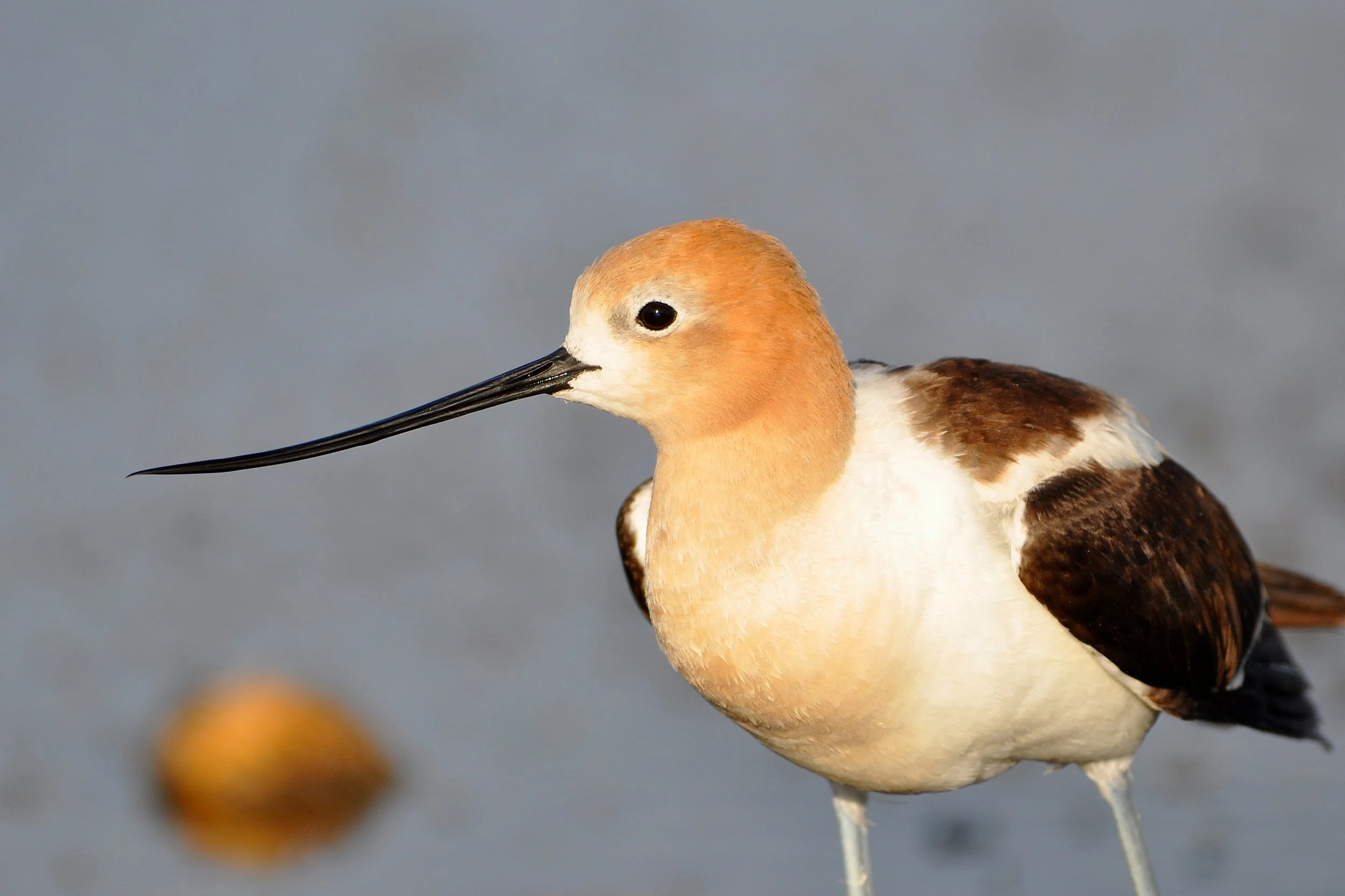
![A long-billed bird with tan, white, and brown feathers standing near water.]()
American Avocet
-
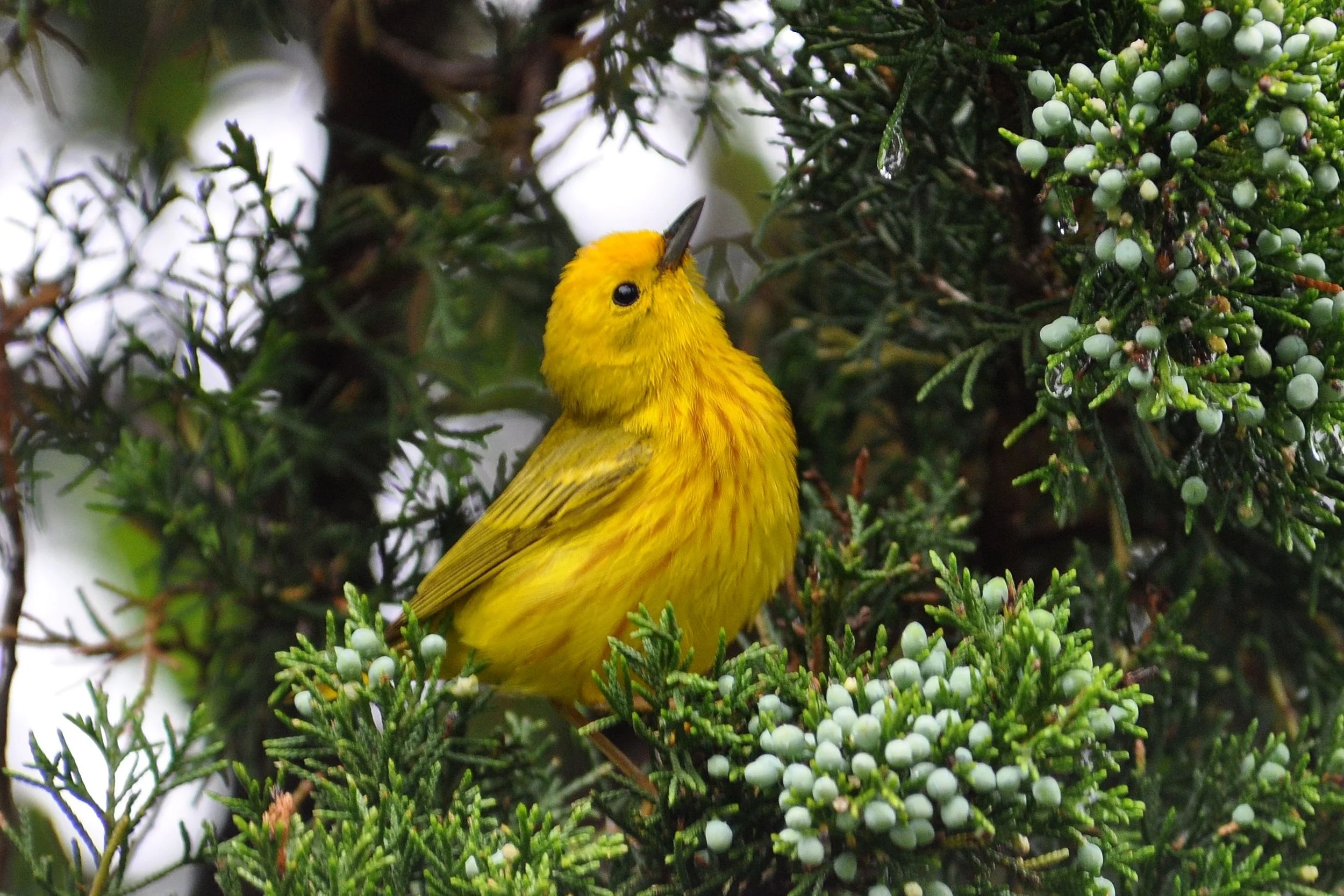
![Yellow bird perched on a green coniferous tree with small berries and droplets of water.]()
Yellow Warbler
-
![]()
Dark-eyed Junco
-
![A bird's nest with two white eggs is attached to a plant stem, with a black ruler measuring about 6 inches placed next to it for size reference.]()
Costa's Hummingbird Eggs
-
![A barred owl perched on a tree branch, winking with one eye closed and the other open, surrounded by green leaves and lichen-covered branches.]()
Barred Owl
-
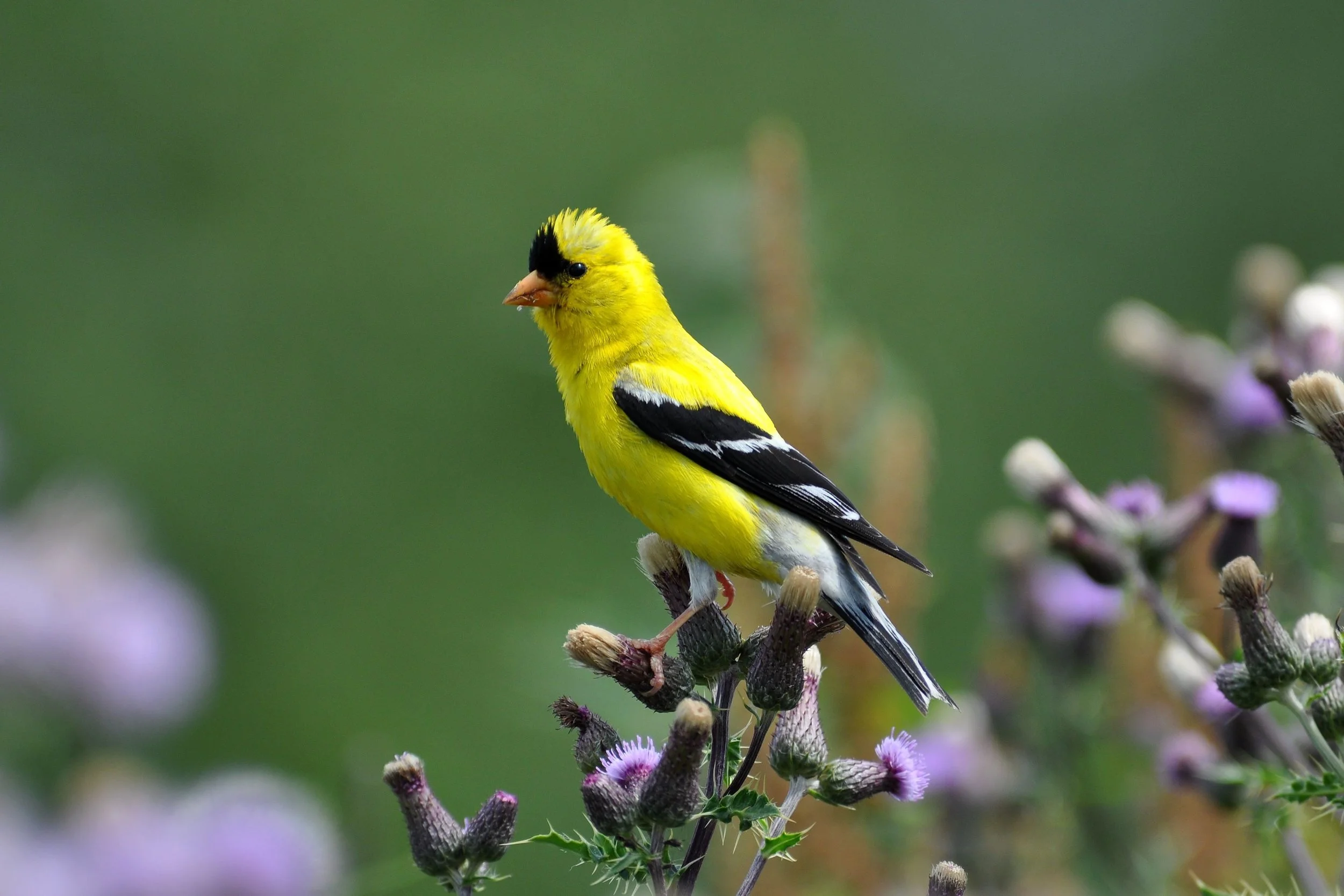
![A yellow bird with black and white markings perched on a thistle plant with purple flowers and a green blurred background.]()
American Goldfinch
-
![A male northern shoveler duck swimming in a body of water, displaying green head, black bill, and brown chest.]()
Northern Shoveler